Table of Content
Urinary issues are common in cats and it is no secret that they are. Urine issues can manifest in a variety of ways, including crying in the litter box, frequent urination, and blood in the urine. Both male and female cats suffer from urinary tract infections, but male cats are disproportionately affected by urinary blockages. Cats have a high risk of developing urinary tract infections as a result of inappropriate urination. In some veterinary clinics, you can get a complete blood count and chemistry panel for $150 to $200. Your veterinarian will advise you on the type of antibiotic to purchase, which will typically cost between $20 and $70.

This surgery is extremely rare in cats, and the cost will be significantly higher than other urinary procedures. You may pay the same amount as a veterinarian if you have surgery at a specialist. The average cost of a post-op hospitalization is $50 to $100 per day, and it lasts up to three days.
Urinary Dog Catheter
There will be a small clamp of some kind on the fluid line that will enable you to open and close the line. For subcutaneous fluid administration, the line will either be closed or all the way open . Sometimes the tubing kinks slightly when it has been pinched closed for a while. You may use your fingers to re-open the line and move the clamp to a different area on the tubing so as not to keep pinching the same area of tubing.
Simply put, the total cost of a urine sample and tests may be significantly less than a surgical procedure that required a urinary catheter. How fast the dog shows signs of improvements will depend on why the urinary catheterization was done. If urine was used to run tests, the veterinarian will need to find the underlying problem. Depending on the severity of the issue, changes may be noticed anywhere from immediately to many months down the road following the start of treatment. If the urinary catheter is permanent, special aftercare is important.
Enjoy special discount pricing on your PureWick™ System online order!*
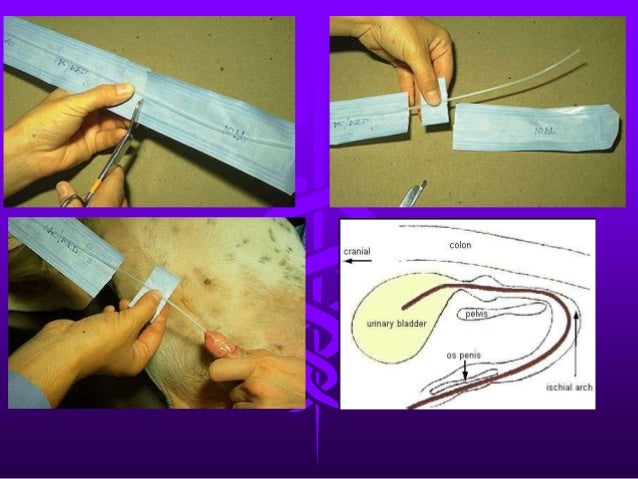
This is lubricated and inserted with the slit directed ventrally. The smallest catheter size should be selected in order to minimise urethral trauma, whilst also being large enough to minimise leakage of urine around the catheter. And once that catheter’s in, don’t forget to measure urine output, too! I have a free fluid output monitoring tool in my free resource library that will really help with this. Urinary tract infections in dogs can progress quickly, so it is important to contact a veterinarian as soon as the first symptom is noticed. Thankfully, there is a way to help prevent bladder stones in dogs.
To ensure the correct size, it is critical that you consult with your veterinarian. Finally, it is critical to ensure that the dog is drinking plenty of water. If a dog does not drink enough water, the catheter may become obstructed, and the dog may experience pain and difficulty urinating. If the dog is not drinking enough water, the catheter may need to be replaced. If you want to place a urinary catheter in your dog, you should consult with your veterinarian first.
BUSTER NC Urinary Catheter
It is important to ensure that the dog doesn’t display signs that may mean he or she is suffering from any urinary stress. Especially if the catheter was only placed for a short while. In the case the dog is a male, the penile area is clipped with surgical blades. In the event the urinary catheterization is performed on a female dog, the opening of the vagina is clipped and cleaned with an aseptic. Urinary blockage is an emergency, so treatment is often started while the pet is still sedated.

For needle disposal instructions see the last section presented. The US Food and Drug Administration last week approved Proin ER , a tablet for the control of urinary incontinence in dogs. The drug will aid with urethral sphincter hypotonus, which occurs due to a dog’s age and weakening muscles in the urethra. A diaper will keep your house cleaner and will prevent your dog from the near constant licking that can occur with female dogs in heat.
Dog Urinary Catheterization Considerations
If that’s the case, of course some sort of anesthesia will be needed. If this blockage isn’t treated, urine can back up and damage your kidneys. In severe cases, a ureteral obstruction can lead to kidney failure, sepsis (life-threatening infection) or death.

We came 1st in veterinary medicine with our hydrophilic coated BUSTER HC Urinary Catheter for dogs. //06 Jan 2011 Human doctors are not allowed to treat animals, but some still do it according to a survey by a Dutch medical magazine. 87 human doctors replied to the survey and shared their experiences with treating animals. Place them in a garage, shed or basement and let them feel like they are alone. You can still watch over things to make sure that the dogs know what they’re doing, but watch as far away from them as possible.
Often, however, diapering your dog can increase their freedom and decrease the stress of your pet making messes they can’t control. The PureWick™ System is a breakthrough for women with urinary incontinence. Storing the collection system away from contaminated surfaces, such as the floor. Popping the urine bag in a clear ziplock bag, or in a clean litter tray used only for catheter bag storage is a good alternative. Always using a closed collection system on the end of every indwelling catheter, and never leaving any open to the environment.
This will help them to identify whether any underlying conditions are aggravating the problem, such as a urinary tract infection. Females may need sedation because of the intrusive nature of the act. The veterinarian will typically have a veterinary technician place the male dog on his side and abduct the upper rear leg, exposing the prepuce and the penis. Permanent urinary catheters are not something that we typically do in dogs. They are extremely hard to manage, they are highly prone to infection and cause scar tissue problems, and they are generally seen as a bad idea. There may be other options for your dog, and that would be something to talk to your veterinarian or Veterinary neurologist about.
Prophylactic antibiotics should not be routinely administered to patients with indwelling urinary catheters, owing to the risk of developing a resistant UTI. Instead, in patients where the risk of UTI is considered high, a urine sample is collected via cystocentesis after the urinary catheter is removed. This sample is submitted for bacterial culture, and appropriate treatment is administered if required. A urinary catheter is a flexible tube that fills the bladder and collects urine.
In other cases, the veterinarian may require the dog owner and dog to return to the veterinary clinic to discuss a treatment plan. The same goes for any post-treatment medications and/or follow-up exams. If the urinary catheter was used during surgery, most veterinarians will send home pain medications. Veterinarians also usually want a follow-up exam within 2 weeks following the procedure.


No comments:
Post a Comment