Table Of Content
- Factors Influencing Hair Health and Hat Use
- How else does smoking affect health?
- Traction alopecia: hats may cause hair loss
- Hair Loss and Hard Hats: How to Keep Your Locks Safe and Healthy
- Are there side effects of medications that can prevent baldness?
- Can Wearing a Hat Cause Hair Loss? Plus, 7 Other Questions You Have About Alopecia
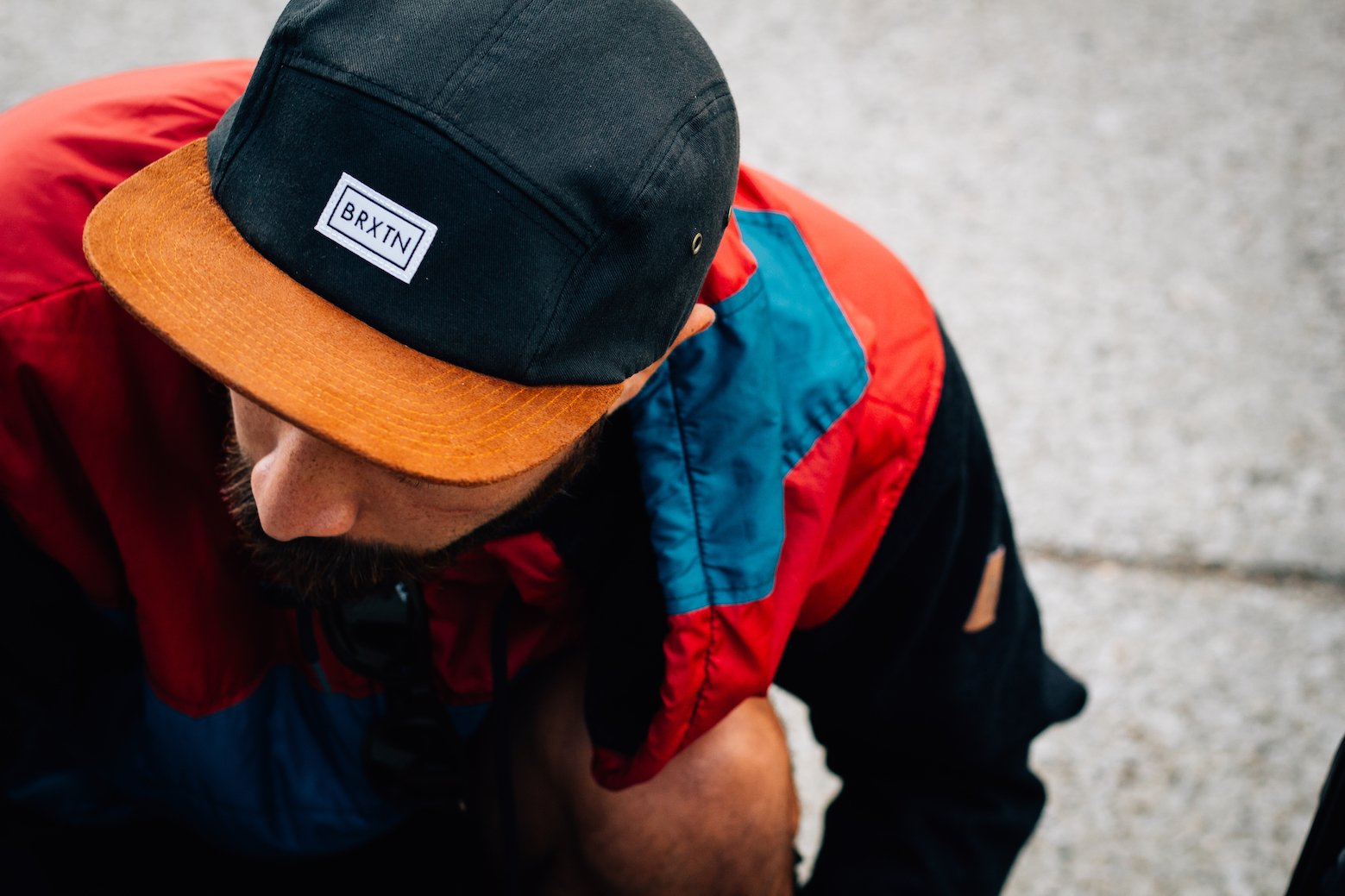
Our goal is to arm you with knowledge, helping you distinguish between myth and medically supported facts so you can make informed decisions about hair care and restoration. At Jae Pak MD Medical, we’re committed to cutting through the myths with evidence-based insights. Specializing in advanced hair restoration, we understand the complexities of hair health.
Factors Influencing Hair Health and Hat Use
To help you understand a little bit more about why hair loss happens and what you can or can’t do to improve it, we’ve answered some of the most frequently asked questions we receive. Losing a certain amount of hair each day is perfectly normal, if you’re worried about the amount you’re losing, speak to your GP. However, if you notice any significant changes in your hair health, you should speak to your GP as they can help find the underlying cause. Understanding these factors is the first step in separating fact from fiction when it comes to what affects our hair’s vitality. Before pursuing hair loss treatment, talk with your doctor about the cause of your hair loss and treatment options. If you really like to brush your hair, I have good news and bad news.
How else does smoking affect health?
If you notice an indentation on your forehead when you take off your hat, it’s too tight. Flat caps, beanies, fedoras, snapbacks—none of these hats will cause you to lose your hair or go bald. In fact, the most common cause of hair loss, androgenic alopecia, is completely out of your hands. Indirectly, it explains why pregnant people are often said to have thick or shiny hair. Their high levels of circulating hormones result in thicker and healthier hair overall. Post-pregnancy hair loss can also occur without giving birth, although reports of hair loss after abortions or miscarriages are less common.
Traction alopecia: hats may cause hair loss

Consultation with a dermatologist or healthcare professional if you are experiencing noticeable hair loss or have concerns can help uncover the underlying causes and establish appropriate remedies. While hats do not directly impact hair growth, they can indirectly affect it by causing hair breakage. Friction between the hat material and the hair strands can lead to increased breakage, especially if the hair is fragile or prone to damage.
If you're regularly losing more than 100 hairs per day, that's considered shedding. Experiencing a stressful event such as physical or emotional shock may result in a general thinning of hair after several months. In this article, we will explore the connection between hats and hair loss and answer some of the most commonly asked questions on this topic. If you’ve noticed thinning hair, clumps of hair in the shower or bald patches, you might be dealing with alopecia. But there are many potential causes of hair loss—each requiring a different approach. Hats are a fantastic way to shield your head from the sun (helping to prevent sunburn) and keep your hair color from fading.
These are hairs that were already nearing the end of their telogen phase, and they’re part of the normal fifty to 100 hairs you lose every day. However, if you have androgenetic alopecia, damaged hair, or some other condition that makes your hair’s attachment to your scalp weak, then a brush can snag those weak hairs and yank them out. The most common reason for hair loss is androgenic (or androgenetic) alopecia, which is a medical term for male-pattern hair loss and female-pattern hair loss. In conclusion, wearing a hat doesn't necessarily cause hair loss, but it's essential to choose the right type of hat and wear it properly. It’s also possible to lose hair if you wear some kinds of hats or tight religious headwear for long periods—like a hard hat on hot summer days.
If you're worried about hats causing hair loss, try taking a break from wearing one every day or wear it for a shorter amount of time. Even if you wear a hat every day, it's likely there are other factors behind your hair loss. Certain medical conditions and even life events can cause hair to thin or fall out. Some hair loss is permanent or more difficult to reverse, like androgenic alopecia. Hair loss from traction alopecia and other causes of hair loss like telogen effluvium is often reversible, especially if caught early.
Are there side effects of medications that can prevent baldness?
9 Things Not to Do After Hair Transplant Surgery - RealSelf.com
9 Things Not to Do After Hair Transplant Surgery.
Posted: Thu, 12 Oct 2023 07:00:00 GMT [source]
Luckily, drug-induced hair loss is almost always reversible, although hair has been known to occasionally change color or curliness after treatments such as chemotherapy. Here at LIVESTRONG.com, we carefully consider language surrounding sex and gender. Wearing a hat is unlikely to cause hair to fall out that wasn't already on its way out. You may think the hat is causing hair to shed because putting on or taking off a hat can pull out hairs that were already loosely attached and going to fall out anyway. Ringworm, a fungal skin infection, can also cause hair to fall off the scalp. Diabetes, lupus, and significant weight loss can also lead to hair loss on the scalp.
Best Laser Hair Growth Devices: Top Laser Caps - Healthnews.com
Best Laser Hair Growth Devices: Top Laser Caps.
Posted: Thu, 15 Feb 2024 08:00:00 GMT [source]
Can Wearing a Hat Cause Hair Loss? Plus, 7 Other Questions You Have About Alopecia
Additionally, wearing a wool hat, beanie, or baseball cap for a prolonged period can cause friction and damage to the hair, leading to hair breakage and, eventually, hair loss. To keep your hair healthy, choose hats that fit comfortably and don't apply too much pressure on the scalp. Individual responses to friction and perspiration vary, and factors such as hair type, scalp condition, and overall health all play a role. Adopting a mild hair care routine, cleaning the scalp, and selecting appropriate hairstyles and accessories are all important parts of promoting hair and scalp health. If people have recurrent problems or concerns, they can seek personalised advice and recommendations from a dermatologist. Furthermore, remember that hair loss is a common condition experienced by many individuals.
While scientists aren’t certain that hats cause hair loss in men, it doesn’t seem likely. However, as a preventative measure, you may want to avoid wearing excessively tight hats. However, always wearing a cap could lead to damaged hair, split ends, and breakage, as wigs and hats, can restrict blood flow or cause friction that may lead to hair loss. Androgenetic alopecia and frontal fibrosing alopecia, conditions that may lead to baldness, are among common types of hair loss. Luckily, there are many birth control options available—and pills and other hormone-based solutions come in a variety of formulas.
Additionally, most hair loss treatments and products are explicitly marketed to men, leaving many female hair loss sufferers to feel alone and like they don’t have options. Many hair loss sufferers begin noticing a receding hairline or areas of thinning in their 20s and 30s, though more severe loss does often occur around middle age. According to the American Hair Loss Association, around two thirds of men will experience some degree of hair thinning by thirty five, with that number jumping to 85% by 50.
Traction alopecia is a type of hair loss caused by constant pulling or straining on the hair. Tight hairstyles are a major cause, but tight headwear can also cause this disease. It's crucial to remember that not everyone who wears a tight hat will get traction alopecia, and susceptibility varies by individual. However, being aware of the hazards and taking precautions such as wearing comfortable headwear and avoiding extremely tight styles can help protect the hair and scalp from unneeded tension and damage. If you are concerned about hair loss, see a dermatologist for a proper diagnosis and recommendations on appropriate treatments. Choosing the correct hat is essential for maintaining healthy hair and avoiding problems like friction-related damage and traction alopecia.
Curology’s Hair Formulaᴿˣ contains ingredients like finasteride and spironolactone, which help improve male-pattern baldness by counteracting the effects of DHT on scalp hairs. Get started with Curology to get a personalized hair treatment from a dermatology provider. That's because the decrease in blood flow could stress the hair follicles and cause them to fall out.
The idea hair loss only happens to those over a certain age is a prevalent myth. For those who are genetically predisposed to alopecia, noticeable hair loss can start as early as the teenage years. Hair is a barometer of your internal health, requiring a cocktail of nutrients to flourish. Insufficient intake of proteins, vitamins, and minerals can interrupt hair growth and maintenance.
While the glory days of Aquanet may be over, hairspray is still in most people’s bathroom cabinets—the good news is you don’t need to think twice about if you’re concerned about hair loss. The same goes for shampoos, conditioners, and hair styling products, as long as you stick with reputable brands. The frequency with which you wash your hair also won’t raise or lower your hair loss risk.


No comments:
Post a Comment